0 seconds read
Nature Bridge Fresh Omakase in Indonesia International Pet Expo 2025



Sebagai Pawrent NBFriends pastinyakita selalu menganggap anabul kita seperti anak kita. Tentunya kita selalu ingin memenuhi kebutuhan anabul kita dan menjaga anabul kita tetap sehat. Namun tidak dapat dipungkiri, layaknya manusia, hewan peliharaan kita juga bisa sakit karena banyak hal. Beberapa diantaranya karena faktor cuaca, faktor alergi turunan, maupun karena sistem imun yang sedang turun. Itu mengapa kita sebagai Pawrent harus lebih sadar akan penyakit-penyakit yang umum terjadi pada anabul. Berikut di antararanya : Penyakit pada kucing 1. Infeksi Saluran Pernapasan Atas (ISPA) Kucing rentan terhadap infeksi virus dan bakteri yang dapat menyebabkan gejala seperti bersin, hidung berair, dan batuk. Pembersihan rutin dan vaksinasi dapat membantu mencegah ISPA. Perawatan simptomatik seperti memberikan cairan dan makanan lembut dapat membantu pemulihan. 2. Penyakit Gigi dan Gusi Penyakit gigi dan gusi umum pada kucing, terutama jika tidak diberikan perawatan gigi yang memadai. Pembersihan gigi secara rutin oleh dokter hewan dan memberikan makanan yang membantu membersihkan gigi dapat membantu mencegah penyakit ini. 3. Penyakit Ginjal Penyakit ginjal umum pada kucing yang lebih tua. Gejalanya termasuk muntah, diare, kehilangan nafsu makan, dan peningkatan konsumsi air. Diet khusus yang rendah protein dan tinggi air, serta pengelolaan cairan yang cermat, dapat membantu mengelola penyakit ginjal pada kucing. Penyakit pada Anjing 1. Demam Berdarah (Ehrlichiosis) Penyakit yang disebabkan oleh gigitan kutu yang terinfeksi bakteri Ehrlichia. Gejalanya termasuk demam, kehilangan nafsu makan, kelemahan, dan pembengkakan limpa. Pencegahan dengan memberikan perlindungan terhadap kutu dan pengobatan dengan antibiotik diperlukan untuk mengatasi penyakit ini. 2. Obesitas Anjing yang menderita obesitas rentan terhadap berbagai penyakit termasuk diabetes, penyakit jantung, dan masalah sendi. Pengelolaan berat badan melalui diet seimbang dan olahraga teratur penting untuk mencegah dan mengobati obesitas pada anjing. 3. Alergi Kulit Anjing dapat mengalami reaksi alergi terhadap makanan, serbuk sari, atau kutu. Gejala termasuk gatal, kemerahan, dan iritasi kulit. Identifikasi dan menghindari alergen serta penggunaan obat antihistamin atau steroid dapat membantu mengendalikan gejala. Tentu saja penyakit-penyakit di atas dapat di sembuhkan dengan penanganan yang tepat dari dokter hewan. Tidak hanya itu, kita sebagai Pawrent juga perlu menjaga pola hidup sehat anabul kita dan memberikan pakan yang bergizi baik bagi anabul. Salah satunya dengan mengonsumsi pakan dari NatureBridge. Selain kandungannya yang kaya akan protein hewani yang baik, formulasinya yang telah gluten free atau bebas dari tepung, lebih ramah pada pencernaan sensitif anabul. Namun jika Kamu bisa mendapatkan pakan NatureBridge for Daily Food di official e-commerce CP Petindo serta varian Veterinary Exclusive di klinik hewan di seluruh Indonesia. Dapatkan juga informasi seputar anabul di sosial media @naturebirdgeid!
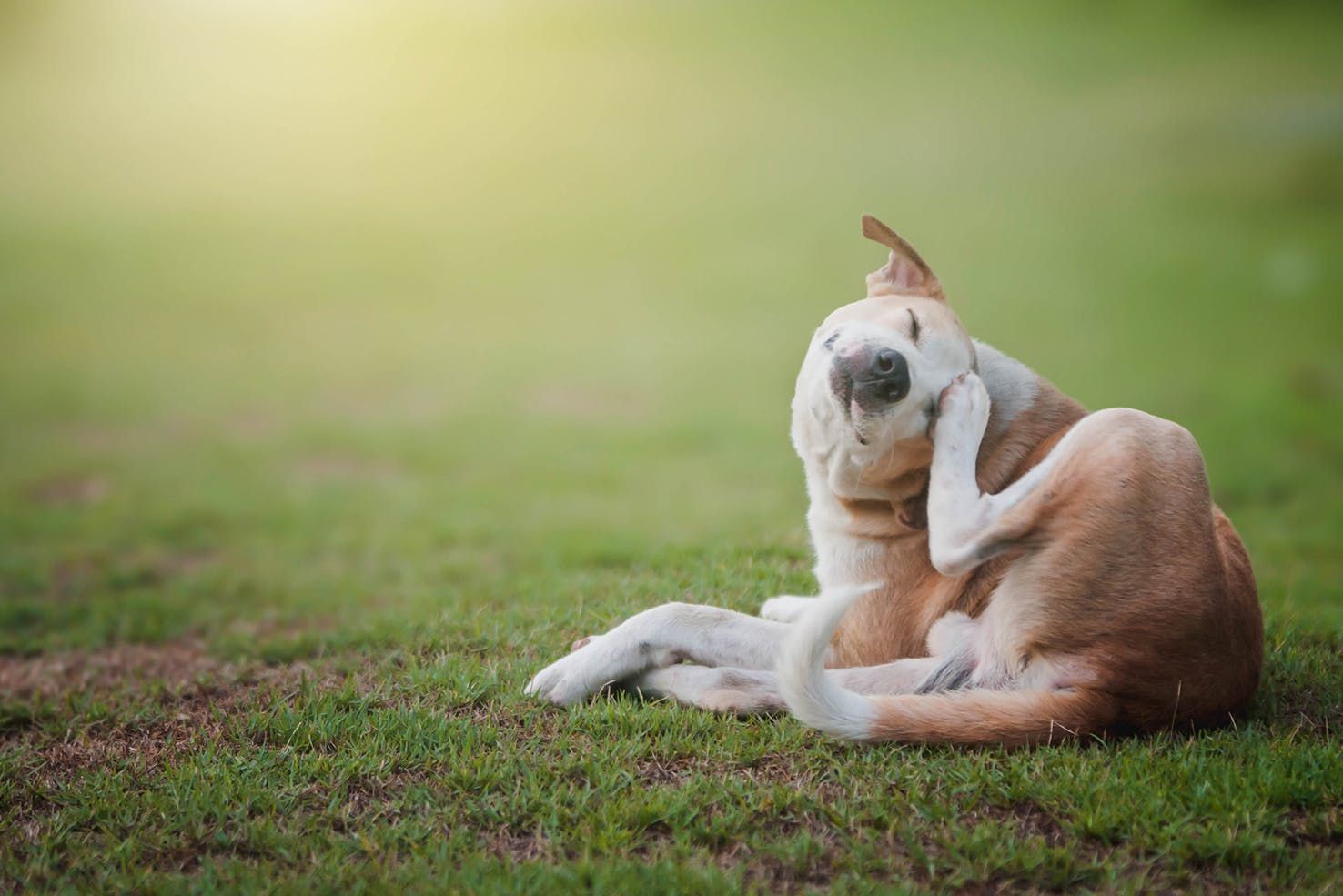
How many of us have given our dogs a scratch and seen a rear leg start moving? Or you’ve heard the jingle jangle of a collar as a back paw comes up to scratch an itchy neck. Although dogs experience the occasional itch (just like we do), as pet owners it’s important to recognize when an itch is an indication of a more serious problem. "Itch can sometimes be mistaken as normal behavior by pet owners," said Dr. Linda Messinger, a Denver-based, board-certified veterinary dermatologist. "I find this especially true with dogs that lick or chew their paws. Many people feel this may be normal grooming, a soothing activity or a habit, when in fact it may be a sign of underlying allergies. Itch can be displayed in many different ways, including scratching, biting, chewing, rubbing and scooting. Itchy pets are uncomfortable – something we don’t want for them." What are the top causes of itchy skin in dogs? According to veterinary dermatology experts (and considering some regional differences), the top five disorders, listed from most common to least common "itchy" diseases in dogs are: Flea allergy dermatitis/flea bite hypersensitivity Allergies to environmental allergens (like pollen) Bacteria/yeast infections of the skin (including the ears) Food allergies/adverse food reactions Ectoparasites other than fleas (sarcoptic mange, also known as scabies, is most itchy) As pet parents, we want our dog friends to be healthy and comfortable. Not all itching and scratching is normal, and getting our pets evaluated for skin disease early can help avoid more serious skin problems, such as secondary skin infections. Many allergic diseases are treatable and have an excellent long-term prognosis, especially if diagnosed early. Itching in dogs is not a new problem. Morris Animal Foundation has been a leader in funding research on allergy and itching since 1957, when we funded one of the first studies to categorize skin disease in dogs. Since then, we’ve supported 20 additional projects focused on many causes of itching in dogs, from environmental allergies to mange. One of our newest projects will leverage the power of the Golden Retriever Lifetime Study cohort to take a deep dive into improving our understanding of itching and allergy. Using a series of questions developed by the University of Nottingham for the Itchy Dog Project, the Study team is collecting information that will provide new data for researchers. Since launching in June 2022, just over 200 participants have responded to the questionnaire. The Study team will continue data collection for one year before analyzing the findings. We can’t wait to see what they discover! Source: https://www.morrisanimalfoundation.org/
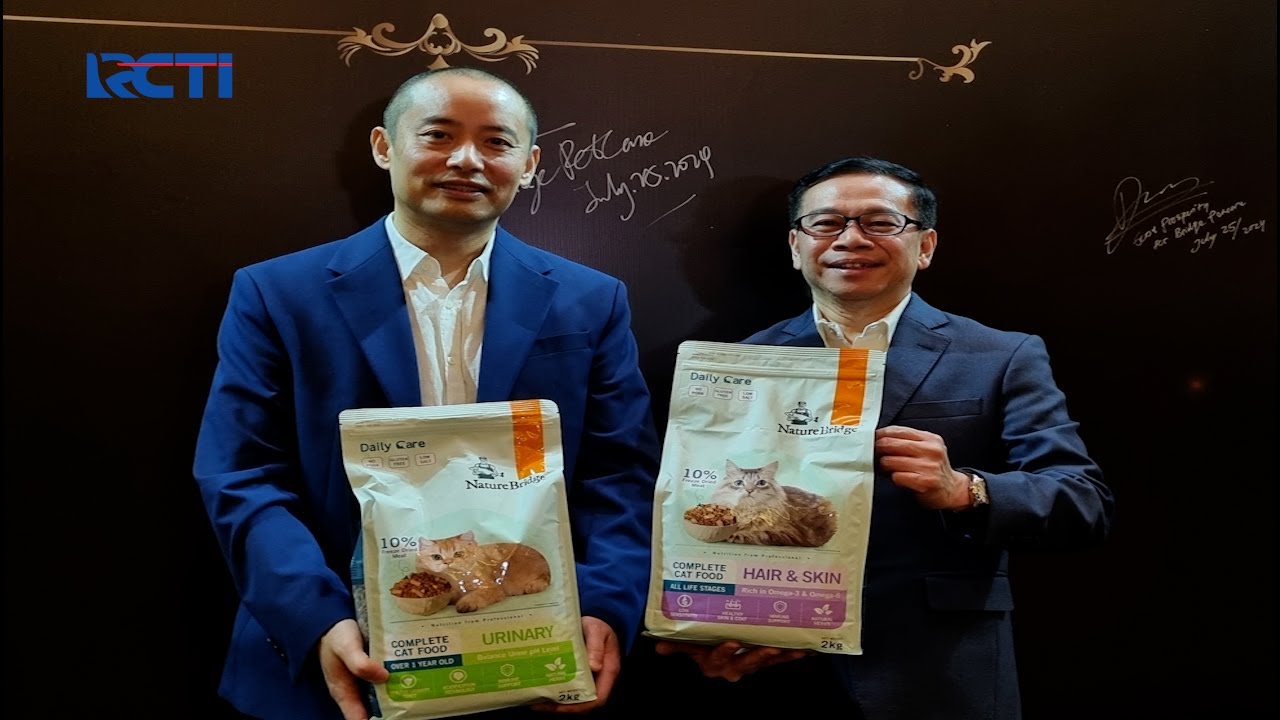
Nature Bridge, makanan hewan super premium, diperkenalkan sebagai solusi untuk menjaga kesehatan hewan kesayangan di iklim tropis Indonesia. Keunggulan Nature Bridge Nature Bridge merupakan produk makanan hewan peliharaan kelas super premium yang diproduksi di Shanghai, Cina, dan didistribusikan di Indonesia. Produk terbaru, Daily Care Series, menawarkan tiga varian: Hair and Skin, Urinary, dan Mother and Baby. Teknologi pengolahan daging yang digunakan menciptakan produk yang lebih alami dan kaya protein untuk kucing. Ketersediaan dan Sasaran Pasar Nature Bridge tersedia di toko hewan peliharaan dan secara online. Produk ini menargetkan pemilik hewan peliharaan, influencer, dan pet lover serta UMKM penjual pakan hewan. Juga disebutkan bahwa produk ini dapat menghemat biaya perawatan karena menjaga kesehatan hewan. Segmentasi Pasar Terdapat dua segmen pasar: ekonomi, yaotu mencari harga murah dan premium, yang menitikberatkan pada kualitas dan keamanan. Nature Bridge berada di segmen premium, menawarkan produk yang berkualitas dan aman untuk kesehatan hewan. Sumber: https://www.youtube.com/watch?v=Xw6M3_u3mxw
Stay in touch and keep up to date with the latest news.