
Looking for advice, training tips and more? We have a range of topics and articles written by pros, that can help pet guardians understand their pet more, and make life a lot more fun for everyone.
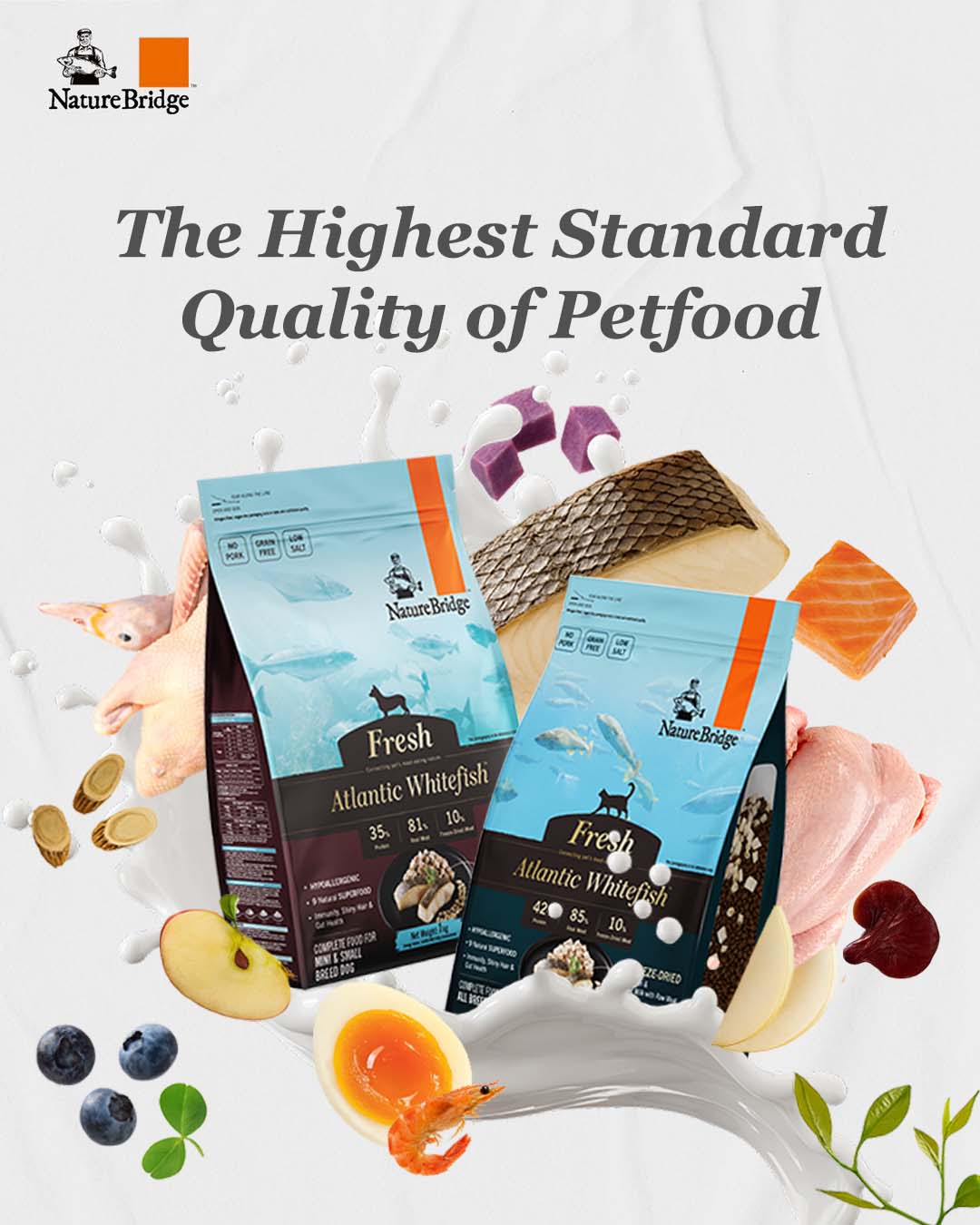
In the world of pet nutrition, protein is a vital component. However, for some dogs and cats, commonly used proteins like chicken, beef, or lamb can trigger allergic reactions and food intolerances (hypersensitivities or hypoallergenic issues). These reactions often manifest as chronic itching, skin problems, or digestive upset. This is why pet nutrition experts are now turning alternative proteins, aiming to reduce the risk of the protein being recognized as an allergen by the pet's immune system. Introducing Atlantic Whitefish: Novel Protein from the Atlantic Ocean One of the most promising and increasingly popular novel protein sources is Atlantic Whitefish. This fish is not just an alternative; it also carries a host of health benefits. Advantages of Atlantic Whitefish: Novel and Hypoallergenic Protein Because this whitefish is rarely used in typical pet food formulations, its protein is considered a novel protein. This means the sensitive immune systems of dogs and cats are less likely to react negatively to it, making it an ideal choice for elimination diets or allergy management. Rich in Omega-3 Fatty Acids Atlantic Whitefish is an excellent natural source of Omega-3 Fatty Acids (especially EPA and DHA). Omega-3s are known for their powerful anti-inflammatory properties. Reduces Skin Inflammation: This anti-inflammatory effect helps soothe irritated and itchy skin caused by allergic reactions. Supports Coat Health: Omega-3s provide the necessary nutrition for a shiny and healthy coat. Highly Digestible Fish protein is generally easier for the digestive systems of dogs and cats to process compared to land-based animal proteins. This is crucial for pets with sensitive digestive systems or those who struggle with nutrient absorption. Foods formulated with Atlantic Whitefish are highly recommended for: Pets with Food Allergies: Especially those diagnosed with sensitivities to chicken, beef, or soy proteins. Pets with Chronic Skin Issues: Conditions like dermatitis, dry skin, or excessive shedding often improve with high Omega-3 intake. Pets with Sensitive Digestion: Animals that frequently experience mild vomiting, diarrhea, or bloating. Conclusion Choosing the right food is a crucial step in maintaining the quality of life for your beloved dog and cat, particularly if they have a tendency toward hypersensitivity. Products that feature Atlantic Whitefish as the primary protein offer a gentle, Omega-3-rich, and effective nutritional solution to reduce potential allergic reactions. It is a smart investment for healthy skin, a shiny coat, and a happy gut. The Right Choice for Sensitive Skin & Digestion If you want to provide the best nutrition for your beloved pet—especially those prone to allergies, skin problems, or digestive issues—choose NatureBridge Fresh Atlantic Whitefish. Its novel protein and natural Omega-3 content are designed to soothe irritated skin, support a healthy and shiny coat, and help your pet’s digestive system function more comfortably. You can find it in our official online store or at your trusted local pet shop. And this journey isn’t just about giving the best nutrition. By purchasing NatureBridge and submitting your receipt on our website, you have the chance to travel to Korea through the NatureBridge Korea Pawradise Campaign. Your pet gains a healthier life—and you may gain a once-in-a-lifetime adventure. A worthy opportunity for both of you to pursue together.
If your pet has a sensitive stomach, mealtimes can turn into a daily guessing game. The right food can make all the difference — calming their digestion, reducing discomfort, and improving their overall well-being. Pets with sensitive stomachs often react poorly to low-quality fillers, artificial additives, or sudden diet changes. For both dogs and cats, it’s best to feed them easily digestible, high-quality protein sources like chicken, turkey, lamb, or salmon. Avoid proteins that are heavily processed or mixed with artificial flavors. Look for pet food labeled as “limited ingredient” or “sensitive stomach.” These typically contain fewer ingredients, which can help identify and reduce potential irritants. Ingredients like pumpkin, sweet potato, and rice are gentle on the digestive tract and provide natural fiber that helps firm up stools. Cats benefit from moisture-rich diets (like wet food or raw food) since they’re less inclined to drink water. Dogs may do well on specialized kibble that includes probiotics and prebiotics for gut balance. Whatever the food, make sure any changes happen gradually over 7–10 days to avoid shock to the system. Tips for Feeding a Sensitive Pet: Introduce new food slowly by mixing it with the old one over several days. Avoid giving table scraps, dairy, or fatty human foods. Stick to a regular feeding schedule — irregular meals can cause upset. Try single-protein diets to isolate allergy triggers. Always provide access to fresh water to support digestion. Conclusion: Gentle Food, Happy Belly Finding the right food for a sensitive-stomached dog or cat may take a little trial and error, but the payoff is worth it. A calm gut leads to a calmer, more comfortable pet. Stick with gentle, consistent nutrition and you’ll both feel the difference at mealtime and beyond.
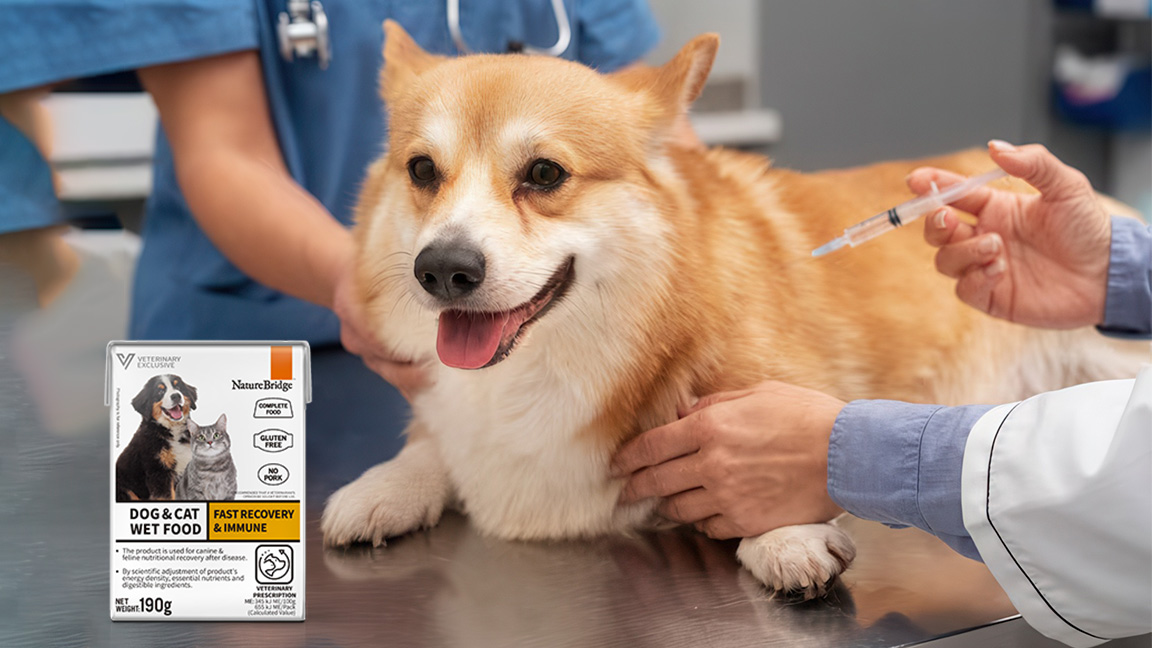
Vaccination is one of the most important ways to keep pets healthy and free from dangerous diseases. Both dogs and cats need vaccines from an early age, and they need to be scheduled regularly. Here is a complete guide to basic vaccinations for dogs and cats in Indonesia: Mandatory Vaccines for Dogs Jenis Vaksin Usia Pemberian Keterangan Parvo & Distemper 6-8 Weeks First vaccine DHPP 8-12 Weeks Mixed: Distemper, Hepatitis, Parvovirus, Parainfluenza Rabies > 3 Months Mandatory (according to regulations in Indonesia) Booster DHPP after 1 Year of first vaccination Then 1x a year or according to doctor's advices Booster Rabies after 1 Year of first vaccination Then every 1–3 years Mandatory Vaccines for Cats Jenis Vaksin Usia Pemberian Keterangan Tricat (FVRCP) 8-9 Weeks Feline Viral Rhinotracheitis, Calicivirus, Panleukopenia Rabies > 3 Months Mandatory in some areas Booster Tricat 3–4 Weeks after first vaccine Then once a year Booster Rabies 1 Year after first vaccine Then every 1–3 years Importance Vaccination: Prevents deadly diseases such as rabies, parvovirus, distemper, panleukopenia. Keeps animals healthy in the long term. Protects other animals and humans (zoonosis). Usually needed for boarding, grooming, or pet daycare. Important Tips: Keep the vaccination book as a medical record. Do not bathe the animal for at least 5 days after vaccination. If the animal is sick or stressed, postpone vaccination. When to See a Vet? Consult a veterinarian immediately if: Do not know the correct vaccination schedule There is a reaction after vaccination such as fever, weakness, or swelling Adopting a new animal that has never been vaccinated Therefore, vaccination is a long-term investment for the health and well-being of pets. Don't delay or ignore it — give them maximum protection early on. NatureBridge comes with the Recovery Immune variant to help your pet recover when sick and also maintain their immune system. Get NatureBridge Recovery Immune at your nearest veterinary clinic.
Not sure if your dog or cat is overweight? You’re not alone — many pet owners don’t recognize the signs until the extra weight starts affecting their pet’s health. But spotting weight gain early is key to preventing long-term issues. Start by looking and feeling. For dogs and cats at a healthy weight, you should be able to feel their ribs easily (but not see them), see a defined waist when viewed from above, and notice a slight tummy tuck when viewed from the side. If your pet looks round, waddles, or has a sagging belly — those could be red flags. One of the most helpful tools is the Body Condition Score (BCS) — a 1–9 or 1–5 scale used by vets to evaluate fat distribution. A score of 4–5 (on a 9-point scale) is ideal. If your pet is at a 6 or above, that’s considered overweight; 8–9 is obese. You can find easy-to-use charts online or ask your vet to demonstrate how to do a BCS at home. Other warning signs include low energy, difficulty grooming (especially in cats), labored breathing, and joint stiffness. Overweight pets may also overheat more easily and become less playful, which often leads to even more weight gain. Tips to Assess Your Pet’s Weight at Home: Run your hands along their ribs — they should feel like the back of your hand. Look at their waist from above — it should curve inward behind the ribs. Weigh your pet monthly using a pet scale or weigh yourself with and without them. Take photos every few weeks to track changes visually. Conclusion: Awareness Is the First Step Recognizing that your pet is overweight isn’t always easy — especially when we’re used to seeing them every day. But by learning to spot the signs and regularly checking their body condition, you’ll be empowered to take action early. A healthy weight isn’t about perfection — it’s about helping your pet live a longer, more comfortable life. Providing the best food is one way to maintain your pet's ideal weight. The latest Nature Bridge Fresh Cat & Dog is equipped with nine top superfoods to optimally meet your pet's nutritional and other needs. You can find Nature Bridge Fresh on the official Nature Bridge Indonesia e-commerce platform.
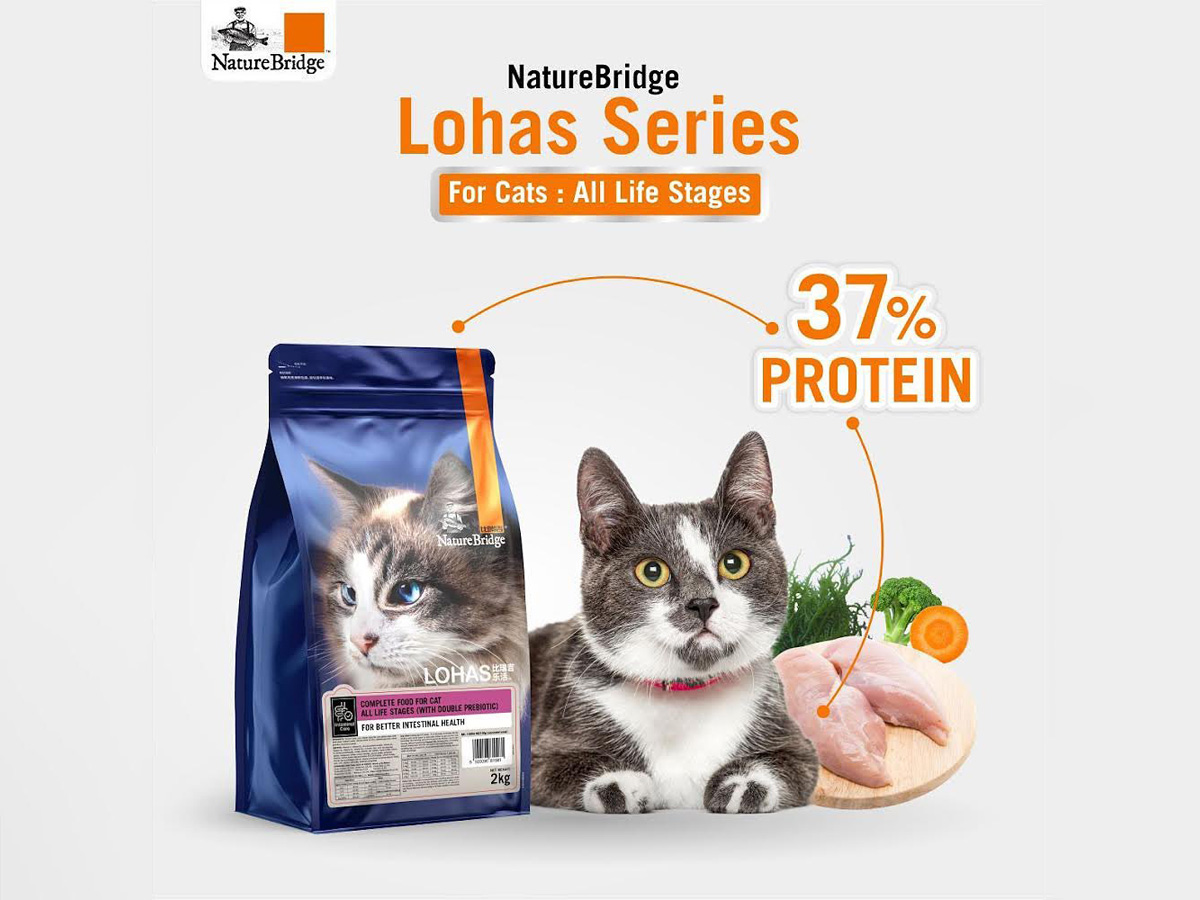
When your vet says your dog or cat needs to lose weight, your first instinct might be to cut back on food or try a "diet formula" from the pet store. But weight loss in pets isn’t as simple as just feeding less — it’s about choosing the right nutrition in the right amount for their needs. Weight management pet foods are specially formulated with lower calories, higher fiber, and often added L-carnitine to support fat metabolism. These diets help your pet feel full while still losing weight at a healthy pace. But not all "light" or "weight control" foods are the same — some may still contain fillers or excess carbs that don’t help long term. Before making a switch, talk to your vet. They can recommend a vet-approved formula based on your pet’s age, breed, and medical history. In some cases, prescription weight loss diets might be more effective, especially for pets with obesity-related conditions like diabetes or arthritis. Transitioning to a new food should always be gradual — over 7 to 10 days — to avoid digestive upset. Mix small amounts of the new food with the old, increasing gradually. And remember, food is only part of the equation — regular exercise and limiting treats are just as important in your pet’s weight loss journey. Tips When Starting a Weight Loss Diet: - Always check calorie content per cup/can — it varies by brand. - Use treats from their main food (kibble as rewards). - Avoid table scraps — these can derail weight loss fast. - Keep a daily feeding log to stay consistent. - Recheck weight and body condition every 4–6 weeks with your vet. Conclusion: Healthy Change Starts with the Right Fuel Helping your pet lose weight isn’t about starvation — it’s about smarter choices. With the right weight loss diet, your dog or cat can slim down safely, stay energized, and avoid serious health risks. When in doubt, work with your vet and don’t rush the process — slow and steady really does win the race. Besides veterinary checkups, we also need to be smart pet owners when choosing daily food for our beloved pets. Daily food that is high in protein is one of the keys to a good pet diet. Because protein can be a primary source of energy without contributing excess calories like carbohydrates or other sources of calories. NatureBridge Lohas for cats and dogs is a suitable daily food that is high in protein but can also be an appropriate diet food. Remember, dieting for pets doesn't mean starving them! Get NatureBridge Lohas exclusively at the official NatureBridge Indonesia store or at the official CPPETINDO store.

Just like humans, being overweight can lead to serious health issues in both dogs and cats. It’s not just about appearance — excess weight increases the risk of diabetes, arthritis, heart disease, and even shortens your pet’s life span. Unfortunately, many pet owners don’t realize their furry friend is overweight until it’s already affecting their health. The most common causes? Overfeeding, lack of exercise, and too many treats (yes, those puppy-dog eyes are powerful!). Some pet parents also misjudge portion sizes, especially for indoor pets with limited activity. Breed, age, and whether the pet is neutered also play roles in how easily they gain weight. The good news is, managing your pet’s weight is completely doable with a little consistency and care. Start by visiting the vet to check your pet’s ideal weight and discuss a plan. They can help you identify the right food, feeding schedule, and daily calorie needs. Remember: weight loss in pets should be gradual — fast weight loss can actually be harmful. Finally, combine healthy feeding with fun, regular movement. Dogs may benefit from daily walks, agility play, or fetch. Cats love interactive toys, laser pointers, and climbing shelves. Keeping them active isn’t just good for their waistline — it boosts their mood and strengthens your bond too. Tips for Managing Your Pet’s Weight ✓ Use a measuring cup for food — don’t eyeball it! ✓ Avoid table scraps and limit high-calorie treats. ✓ Choose low-calorie training treats or use part of their kibble ration as rewards. ✓ Schedule playtime daily — at least 15–30 minutes of activity. ✓ Weigh your pet monthly and track progress with your vet. ✓ Look for weight-control formulas in pet foods, especially for indoor or senior pets. Conclusion: Healthy Pets, Happy Lives Managing your pet’s weight isn’t just about helping them look better — it’s about helping them live longer, healthier, and happier lives. With the right balance of nutrition, activity, and love, your dog or cat can maintain a healthy weight and thrive. Start with small steps today, and your furry friend will thank you for years to come.
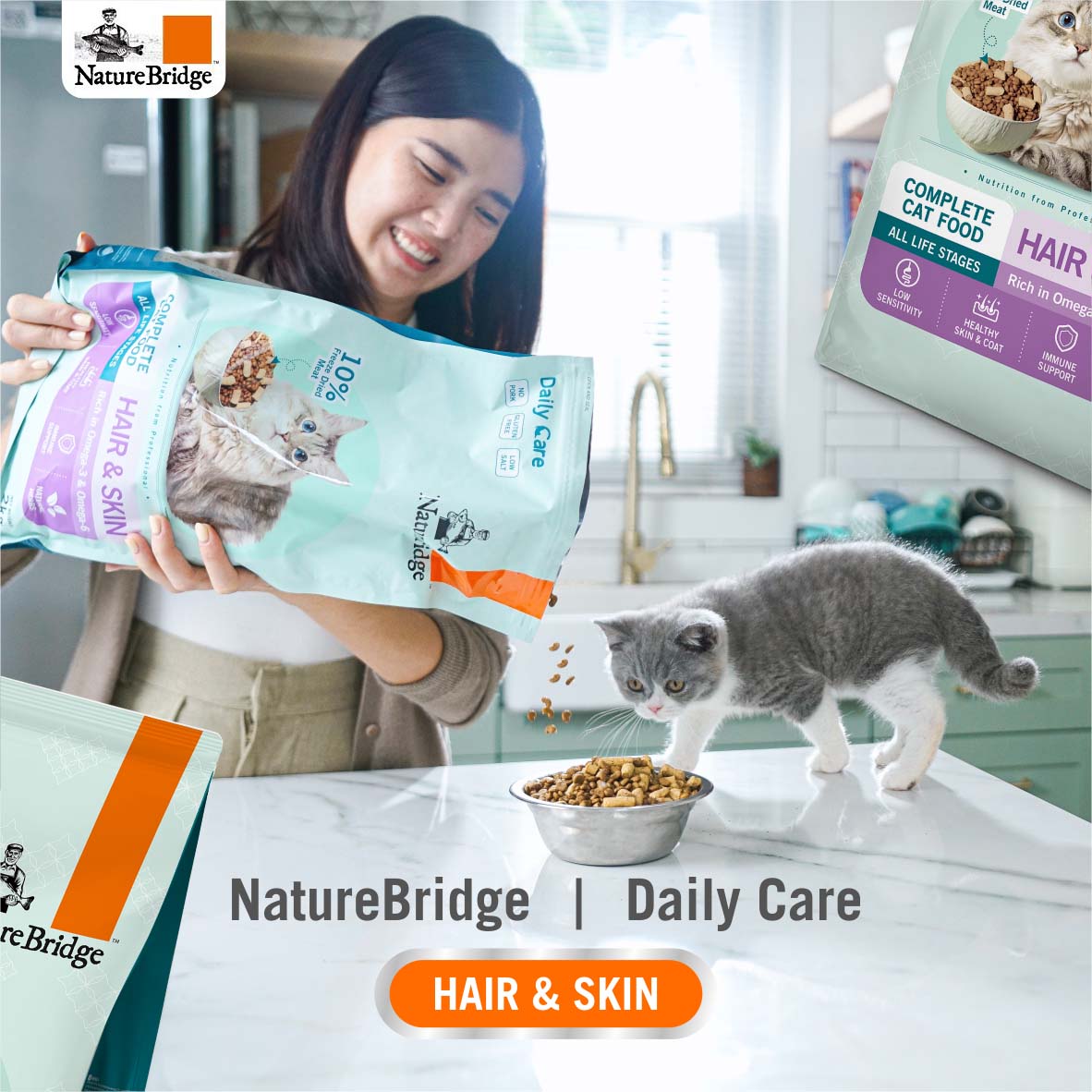
Just like us, dogs and cats feel the effects of changing seasons — especially in their skin and coat. From winter dryness to summer allergies, every time of year brings its own set of challenges. That’s why adapting your pet's skincare routine to the seasons can make a big difference in their comfort and health. In dry, cold months, pets often suffer from flakier skin, itchiness, and static-filled fur. The lack of humidity can strip moisture from their skin, especially in indoor pets exposed to heaters. This is when you might notice more dandruff, shedding, or excessive licking and scratching. Using a humidifier, avoiding over-bathing, and adding omega-rich supplements can help your pet maintain a healthy moisture balance. On the flip side, hot and humid weather can bring about its own problems — like hot spots, skin infections, and flea infestations. Dogs that spend time outside might develop sweat buildup in folds or under the collar, while cats may over-groom due to heat stress. Frequent brushing, keeping your pet cool and dry, and maintaining regular flea control is key during summer. Spring and fall are often peak allergy seasons. Pollen, mold, and dust mites can irritate sensitive pets, leading to red, itchy skin or even ear infections. If your pet starts itching more during these times, it’s worth discussing possible environmental allergies with your vet. Tips to Keep Skin Healthy Year-Round: Adjust grooming routines depending on the season. Avoid long hot baths during winter — they dry out the skin. Rinse off pollen or dust from your pet’s paws and coat after walks. Regularly check for fleas, especially in warmer months. Keep your pet’s environment clean and well-ventilated. Conclusion: Skincare Isn’t Just Seasonal for Humans Your pet’s skin is constantly reacting to the world around them — and the changing seasons can be tough. With just a few adjustments throughout the year, you can help your dog or cat stay comfortable, itch-free, and looking their best, no matter the weather.Give Your Pet the Care They Deserve If you seek a daily nutrition that supports healthy skin, a shiny coat, and overall well-being, consider NatureBridge Daily Care Hair & Skin. You can find it easily in our official online store or at your trusted local pet shop. And there is more to this mission than nourishment alone. By purchasing NatureBridge and submitting your receipt through our website, you grant yourself a chance to journey far beyond your everyday routine—straight to Korea, in the NatureBridge Korea Pawradise Campaign. Your pet gains radiant health… and you may gain an unforgettable adventure. Together, that seems like a worthy pursuit.
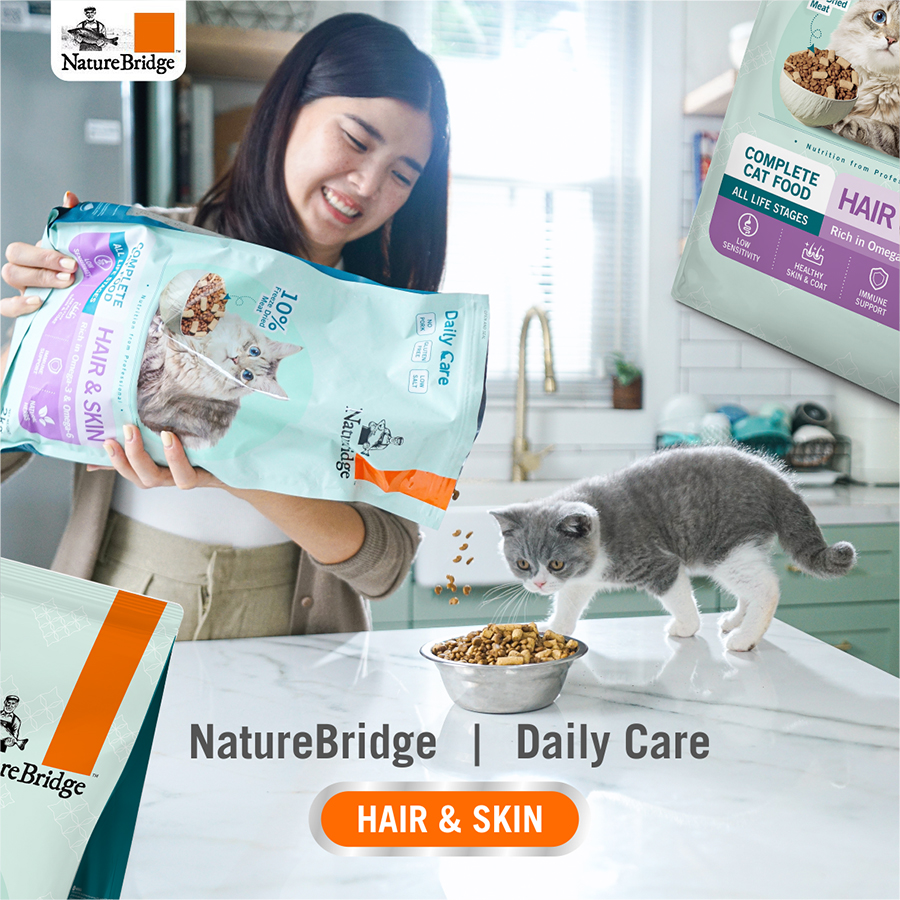
Itchy, flaky, or inflamed skin can drive both pets and their owners crazy. Skin issues are among the most common reasons for vet visits — and while they might seem minor at first, they can quickly escalate into serious discomfort if left untreated. Some of the most frequent culprits include allergies (from food, fleas, or the environment), fungal infections, bacterial hot spots, and parasites like fleas or mites. Dogs may scratch or lick excessively, while cats might over-groom or develop bald patches. If you notice redness, bumps, scabs, or any unusual odor, it's a sign your pet’s skin barrier is compromised. The tricky part? Skin symptoms often look alike, even if the causes are very different. That’s why a proper diagnosis from a vet is crucial. They may run tests to check for infections, allergies, or parasites. Treatment could involve medicated shampoos, anti-fungal or antibiotic creams, oral meds, or dietary changes — depending on the root cause. Preventing skin issues starts with good hygiene, a nutritious diet, and regular check-ups. Catching a skin condition early often means faster recovery, less stress for your pet, and lower treatment costs. Tips to Spot and Manage Skin Problems Early: Check your pet’s skin weekly — especially under the legs, belly, and ears. Use a flea preventative all year round, even for indoor pets. Avoid switching foods too often, which can trigger sensitivities. Bathe only as needed — too much washing can dry the skin. If itching or hair loss lasts more than a few days, call your vet. Conclusion: Don’t Ignore the Scratching A little scratching now and then is normal — but persistent itching or irritated skin is your pet’s way of saying, “I need help.” With early detection and proper care, most skin issues are completely manageable. The key is to act quickly and give your furry friend the comfort they deserve. Providing the best food is one way to maintain healthy skin and fur from within. The latest Nature Bridge Daily Care Hair & Skin is enriched with the best nutrients and proteins to optimally meet your pet's needs. You can find Nature Bridge Daily Care Hair and Skin on the official Nature Bridge Indonesia e-commerce platform.
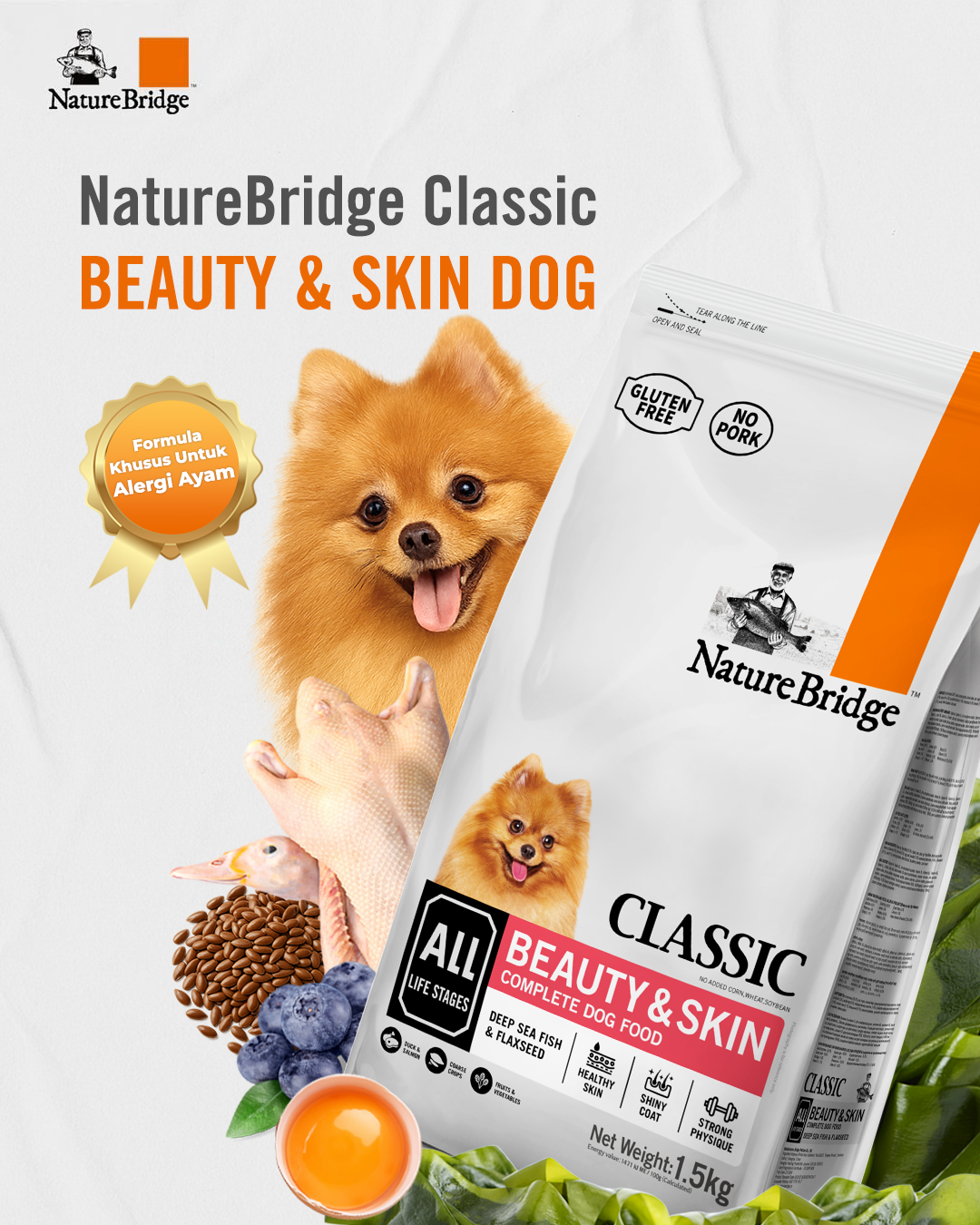
A glossy coat and healthy skin aren’t just about looking good — they’re signs of a pet that’s thriving inside and out. Whether you have a fluffy Persian or a sleek Doberman, regular care is essential to prevent dryness, irritation, and skin-related diseases. The health of your dog or cat’s skin and coat is influenced by multiple factors: diet, grooming habits, environment, and even allergies. Omega-3 and Omega-6 fatty acids, often found in quality pet food or supplements, play a huge role in keeping fur soft and skin moisturized. Poor nutrition, on the other hand, often leads to dull coats and flaky skin. Routine grooming helps remove dead hair, distributes natural oils, and allows you to catch early signs of skin problems like hot spots, rashes, or parasites. Dogs generally need baths every 2–4 weeks depending on breed and activity level, while cats (especially long-haired ones) benefit from brushing several times a week — even if they groom themselves. If you notice excessive itching, redness, bald patches, or a greasy, smelly coat, don’t ignore it. These could be signs of allergies, fungal infections, or underlying conditions that need veterinary attention. Early action prevents discomfort and costly treatments later on. Tips for Healthier Skin & Coat: Feed a high-quality diet rich in Omega-3s (e.g., fish oil). Brush regularly based on coat type — short hair needs less, long hair needs more. Use pet-safe shampoos (avoid human products). Add a humidifier during dry seasons to reduce skin flakiness. Keep up with flea and tick prevention year-round. Conclusion: Beauty Starts with Health A silky coat and itch-free skin are more than just aesthetic — they’re indicators of a happy, healthy pet. With consistent care, proper nutrition, and a watchful eye, your furry friend can shine from the inside out. That's why NatureBridge provides daily food specifically for healthy skin and coat. This dry food is enriched with herbs, antioxidants, and animal protein that won't cause allergies in your pet's skin. Available in NatureBridge Classic Beauty Cat and NatureBridge Beauty & Skin Dog. Help maintain your pet's healthy skin and coat. Get NatureBridge at the official Nature Bridge Indonesia store or the official CPPETINDO store.
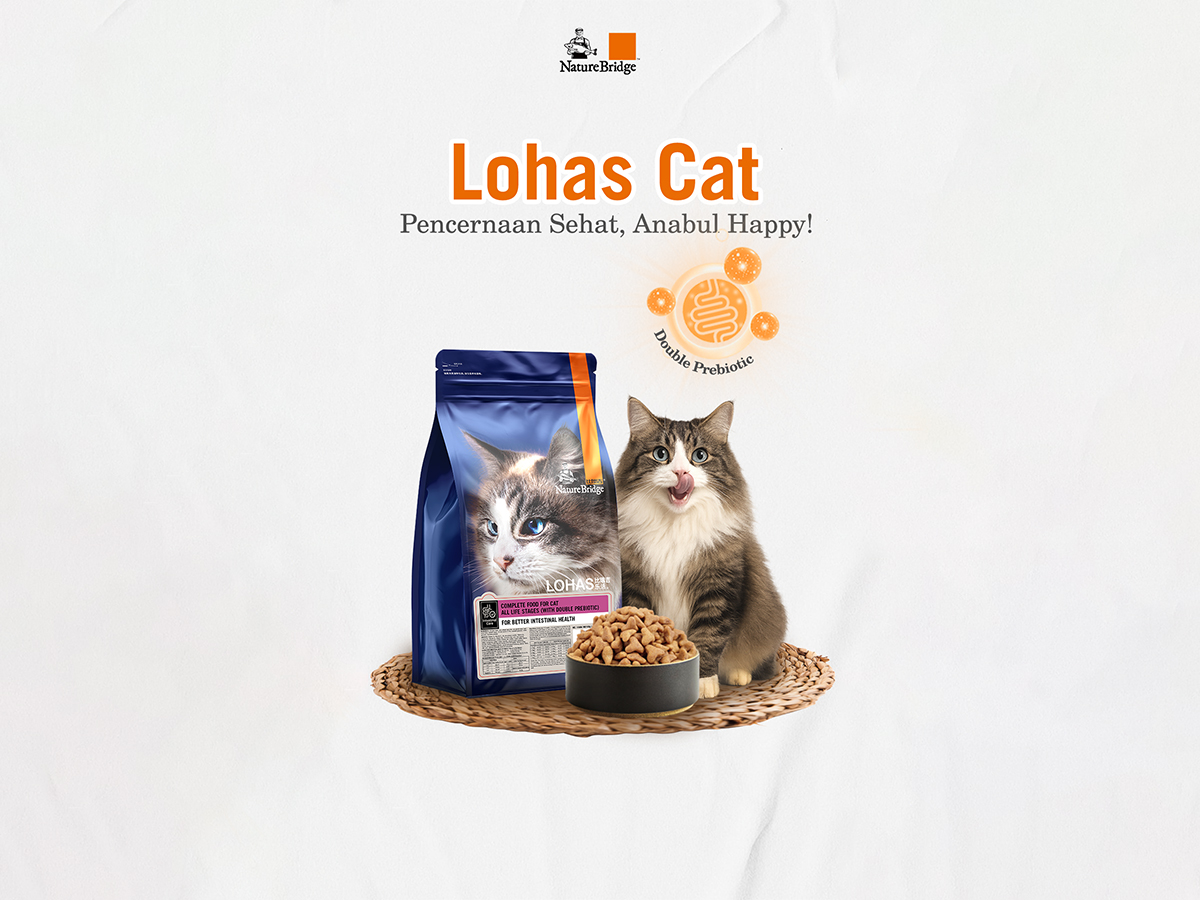
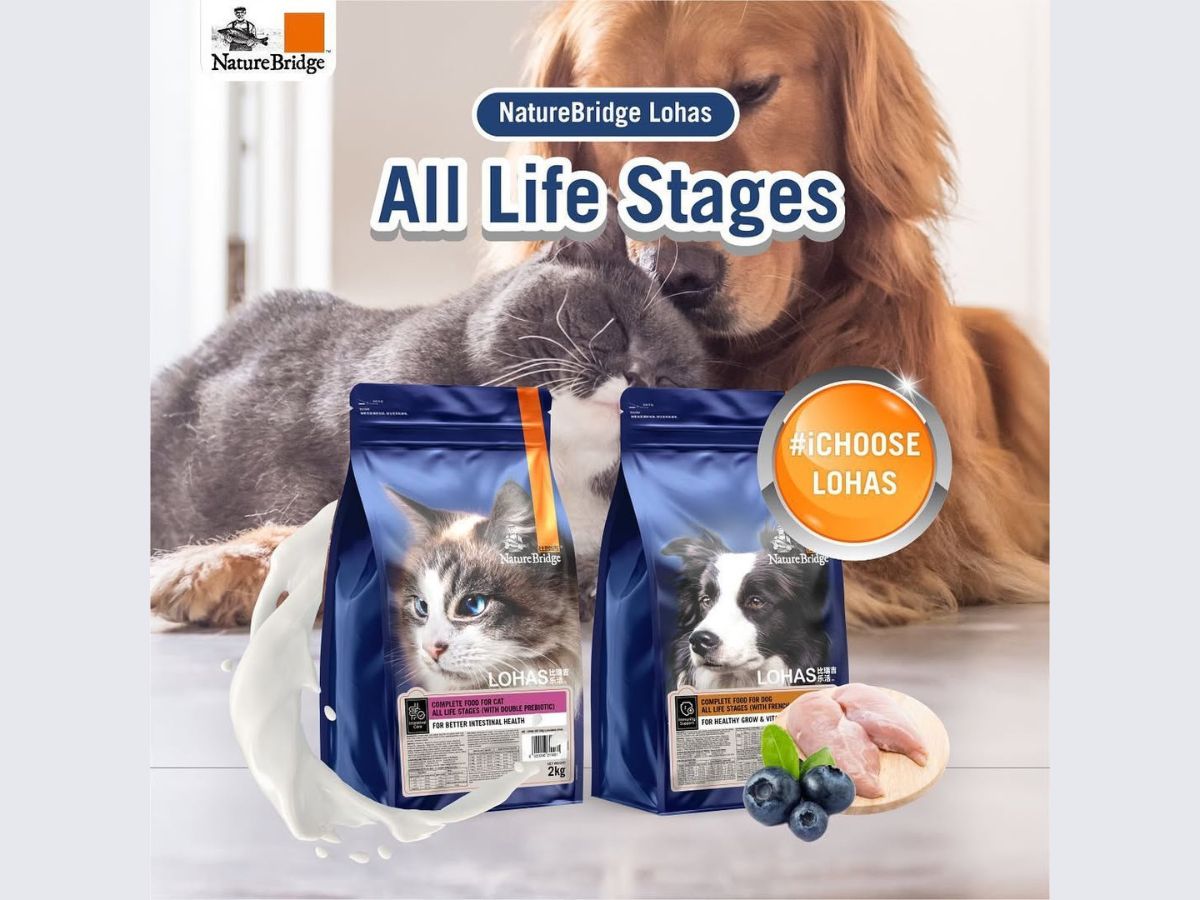
You've probably heard about probiotics for humans — but did you know they can also benefit your pets? Probiotics are beneficial bacteria that help balance the gut, aid digestion, and support a healthy immune system in both dogs and cats. In your pet's digestive tract, there’s a whole ecosystem of microbes working to break down food and absorb nutrients. When this balance is disrupted — by stress, illness, medication, or diet changes — it can lead to symptoms like diarrhea, gas, bloating, or even skin issues. That’s where probiotics come in. They help restore a healthy gut flora and improve overall digestive performance. Probiotic supplements for pets often come in powder, chew, or capsule form. Some high-quality pet foods also include added probiotics. These strains are specifically chosen for canine or feline digestion, so it’s important to choose products designed for pets rather than human probiotics. While probiotics aren’t a cure-all, they can be especially helpful for pets with sensitive stomachs, those recovering from antibiotics, or those prone to chronic digestive issues. Always consult your vet before starting a new supplement, especially if your pet is on medication or has underlying health concerns. Tips for Giving Probiotics to Pets: Choose pet-specific probiotics with clearly listed bacterial strains. Start with small doses and monitor for any changes. Store probiotics properly — many need to be kept cool to stay effective. Add them to food at mealtime for easy delivery. Look for vet-recommended brands for the best quality and safety. Conclusion: A Tiny Boost with Big Benefits Probiotics may be small, but their impact on your pet’s digestive health is mighty. With consistent use and the right strain, they can help maintain balance in the gut and promote smoother digestion. For many pets, it's one of the simplest ways to feel better from the inside out. Providing the best food is one way to maintain digestive health. The latest Nature Bridge LOHAS is enriched with prebiotics and French goat's milk to optimally meet your pet's nutritional needs. You can purchase Nature Bridge LOHAS from the official Nature Bridge Indonesia e-commerce site.
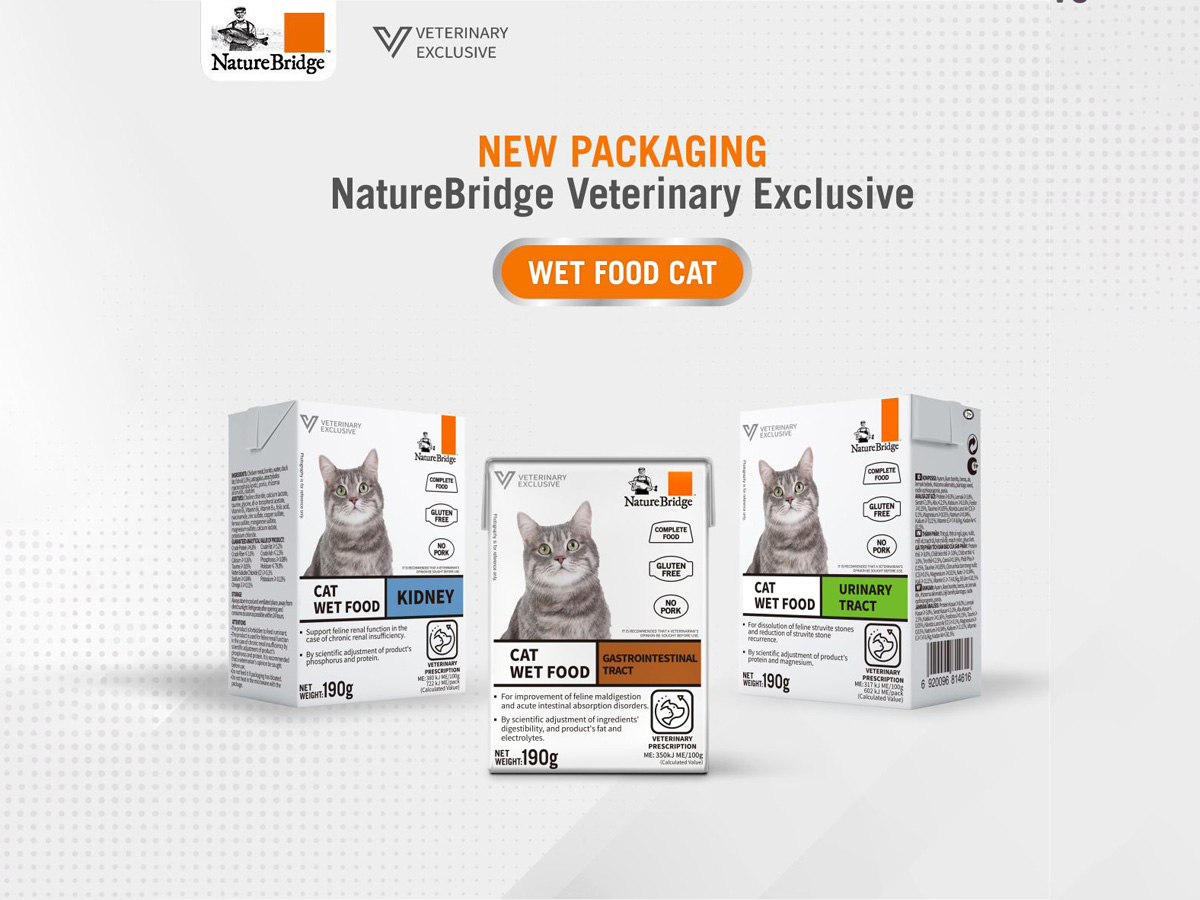
As pet owners, we naturally want to share what we eat with our beloved dogs or cats. But be careful — not all human foods are safe for pets. Some can be extremely toxic and potentially fatal. Here’s a list of the most dangerous foods for dogs and cats, complete with explanations. 1. Chocolate Contains theobromine and caffeine which can cause poisoning in dogs and cats. Symptoms: * Restlessness * Vomiting * Increased heart rate * Seizures Note: The darker the chocolate, the higher the toxicity. 2. Onions and Garlic Contain substances that can damage red blood cells, causing anemia. Including: * Onions * Red/white onions * Fried onions * Onion powder (in snacks or instant foods) 3. Grapes and Raisins Can cause acute kidney failure in dogs (and are also risky for cats). Symptoms: * Vomiting * Weakness * Loss of appetite * Decreased urine output 4. Cooked Bones Cooked bones are easily broken and can cause choking or damage the digestive tract. Alternatives: Provide raw, pet-safe bones (after consulting your vet) or safe chew toys. 5. Dairy Products Many pets cannot digest lactose, which can cause diarrhea and other digestive problems. Note: Adult cats are not natural milk drinkers. Avoid giving cow's milk unless it is a pet-specific product. Healthy Snack Alternatives: * Carrot or apple pieces (seedless) * Unseasoned cooked meat pieces * Pet-specific treats from a trusted pet store * Sugar-free & lactose-free yogurt (in small amounts, only if it suits) Conclusion Sometimes good intentions can end in disaster if we don't know what is safe for our pets. Always check first before giving your beloved dog or cat food from the dinner table. If they show any strange symptoms after eating something, contact your vet immediately.Therefore, NatureBridge also offers Veterinary Exclusive Wet and Dry food options that can be used as complementary food for your pet while they recover from illness. NatureBridge Veterinary Exclusive is available at your nearest veterinary clinic after consulting a veterinarian.
Upset stomachs happen — but when should you start to worry about your pet's digestive issues? Recognizing the early signs of trouble can prevent a minor problem from becoming a serious health concern. The most obvious signs of digestive distress are vomiting and diarrhea. While an occasional episode may not be a big deal, frequent or persistent symptoms are a red flag. Other signs include bloating, gas, constipation, excessive drooling, loss of appetite, or even whining when trying to go to the bathroom. In cats, pay attention to hairballs that become frequent, sudden vomiting after eating, or changes in litter box habits. For dogs, take note if they’re eating grass excessively, showing discomfort after meals, or having inconsistent stool. Sometimes, digestive issues are caused by something simple like a diet change or sneaking human food. But they can also be signs of more serious issues like food allergies, inflammatory bowel disease (IBD), parasites, or even organ dysfunction. If symptoms last more than 24–48 hours, or if your pet seems lethargic, in pain, or dehydrated — it’s time to see the vet. Tips for Spotting and Managing Digestive Symptoms: Monitor your pet’s stool quality and frequency daily. Keep track of any vomiting patterns (timing, appearance, frequency). Avoid sudden changes in diet or new treats. Don’t delay a vet visit if symptoms persist or your pet stops eating. Bring a stool sample when you visit the vet — it can speed up diagnosis. Conclusion: Don’t Brush Off Belly Trouble A little digestive upset isn’t unusual — but when symptoms linger or become intense, they could signal something deeper. Paying close attention to your pet’s habits and acting early is the best way to keep their gut (and the rest of their body) running smoothly. Support their digestive health with NatureBridge LOHAS, available in two variants: for cats and for dogs. Specially formulated to promote healthy digestion, this premium recipe helps keep your pet’s gut balanced and comfortable. Get it exclusively at our official online store — the smart choice for a healthy, happy tummy.

Many pet parents overlook dental care — but your dog or cat’s mouth plays a huge role in their overall health. Gum disease doesn’t just lead to bad breath; it can cause pain, tooth loss, and even affect vital organs like the heart and kidneys if left untreated. Just like humans, pets can develop plaque and tartar from leftover food particles. Over time, this buildup harbors bacteria that irritate the gums, leading to gingivitis and eventually periodontal disease. Sadly, most pets show signs of dental issues by age 3 — often without owners realizing it. Cats may hide discomfort, but clues include drooling, pawing at the mouth, reduced grooming, or preferring soft food. Dogs may chew on one side, lose interest in hard treats, or show signs of bad breath. These are warning signs that your pet might be in pain or developing a serious issue. The good news? Dental disease is preventable. Regular oral care can keep your pet smiling (and healthy) for years to come. Brushing, dental treats, and vet check-ups go a long way in keeping those teeth in top shape. Tips for Maintaining Dental Health: Brush your pet’s teeth 2–3 times a week with pet-safe toothpaste. Provide dental chews or toys that help reduce tartar buildup. Schedule a vet dental exam at least once a year. Watch for changes in eating habits or signs of mouth pain. Use water additives or oral rinses designed for pets as an extra boost. Conclusion: Healthy Mouth, Happy Pet Dental care isn't just a cosmetic concern — it's a key part of your pet’s overall wellness. With a few simple habits, you can prevent painful dental disease and give your furry friend a healthier, longer life. Keep their teeth and gums in top shape with NatureBridge Classic Adult for Small Breed Dog and NatureBridge Classic Adult for Cat. Both variants feature ideal kibble sizes designed to help naturally clean teeth and massage gums while they chew. 🐾 Available now at our official store and pet shops across Indonesia — a tasty way to support oral health every day.

Dog owners might love to cuddle with their furry friends, but there’s little worse than being up close and personal with a dog’s mouth when they decide to yawn. All it takes is one whiff of stinky dog breath to ask yourself, “What could possibly be causing that smell?”. No dog’s breath is going to be particularly pleasant—at least not by human standards. However, some breath ventures beyond the usual icky dog-food stench into something much worse. Extremely or unusually bad breath in dogs could actually be indicative of a health problem. Where bad breath in dogs comes from Most people assume that bad breath (also called halitosis) stems directly from the mouth. This is true in a lot of cases. Food particles and bacteria on the teeth and tongue are typically responsible for how your dog’s breath smells—whether it’s tolerable or one of the worst smells you’ve encountered. However, not all bad breath in dogs is directly related to the mouth. Bacteria and acids that reside in the gut can also make their way up and cause malodorous breath. In this case, brushing your dog’s teeth isn’t likely to get rid of the stench. Instead, a more severe health problem might be at play. Getting to the bottom of your pup’s stinky breath Multiple things could be causing your dog’s breath to smell bad, ranging from perfectly harmless to hazardous to your pet’s health. You’ll need to consider your dog’s eating habits, potential symptoms and health routines in order to determine where the smell is really coming from. Here are some of the most common culprits. Their food: Food is usually the first places pet parents look when their dog develops bad breath. This is a reasonable assumption, since food is formulated to taste and smell appealing to animals—not to us. After finishing off a meal, your dog’s breath might stink because of the food particles stuck on their teeth. Diet can also cause bad breath by disrupting the microbiome in your dog’s gut. When some bacteria grow unchecked, they can cause GI issues along with bad breath. It’s possible your dog’s food doesn’t agree with them, or might not be nutritionally balanced for their needs. However, if your dog’s bad breath develops suddenly without a change in diet, it’s unlikely that it’s related to their meals at all. Unsupervised eating: Another kind of food can also cause bad breath in dogs—the food they’re not supposed to eat! Dogs who like to rummage in the garbage, eat poop or attack small prey outdoors might experience a random bout of halitosis. Unsupervised snacking usually results in rotten-smelling breath. Oral health problems: If the problem isn’t your pet’s food, the next most likely cause is poor oral health. Plaque builds up on dogs’ teeth just like it does in humans, and this can cause bad breath. Over time, plaque hardens into tartar and can cause gum inflammation and disease. The more bacteria that accumulates on the teeth and gums, the worse the breath can get. Check your pup for red, swollen or bleeding gums and monitor their eating behavior for signs of tooth pain. Diabetes: Dogs with untreated diabetes might develop breath that smells sweet, fruity or like acetone. This change might not be that unpleasant, but it is important to pay attention to! The smell comes from the body producing ketones from metabolized fat. Other signs might include unexplained weight loss, increased thirst and changes in appetite. Liver disease: Liver disease in dogs is also known to cause bad breath. When the liver is damaged, it stops removing toxins and waste from your dog’s body. The disease typically leads to foul-smelling breath alongside symptoms like yellow gums or eyes, dark urine, weight loss and vomiting. Kidney disease: Kidney disease and failure can lead to bad breath, too. In this instance, your dog’s breath might smell like urine or ammonia. This is a result of the kidneys failing as your dog’s urinary filtration system. Watch for other signs like oral ulcers, vomiting and dehydration. How to freshen your dog’s breath At the first sign of bad doggy breath, owners might be tempted to toss their dog a dental treat and call it a day. However, treating halitosis relies on understanding exactly where the bad breath is coming from. By treating the underlying cause, you can freshen your pup’s breath in no time! If you recently changed your dog’s food and suspect the bad breath is due to the flavor, give your dog a dental treat or brush their teeth after they eat to put a stop to the smell. You could also try a different type of food to see if the odor is more manageable. Keep your dog away from garbage they could eat and supervise them outside to make sure they don’t dig into any feces or roadkill. It’s also smart to adopt an at-home oral care regimen. Get your dog used to daily tooth brushing, oral health supplements and dental toys or treats that keep their teeth squeaky clean. If your pet hasn’t had a professional cleaning in a while, it might be a good idea to check in with your vet and rule out gingivitis or dental disease. After exploring food and dental care options, see if your dog’s breath improves. If it still smells bad—or if you pinpoint a sweet or ammonia smell—it’s time to visit the vet. They can run tests to see if your dog is experiencing diabetes or another disease and administer treatment right away. Although it’s certainly unpleasant, bad breath in dogs is not something that should be ignored. If your dog suddenly develops stinky breath, take steps to determine the underlying cause and visit the vet if you have concerns about a major health problem. A single whiff could be the thing that saves your dog’s life! Source: https://petwellbeing.com/
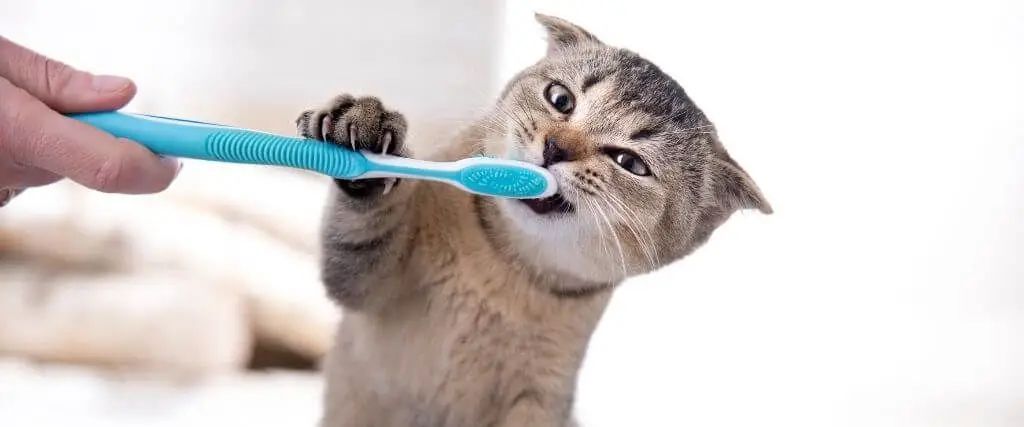
Keeping your cat’s teeth and gums healthy is important no matter how old they are. Unfortunately, our feline friends aren’t fond of having a toothbrush and gel used in their mouths. If your kitty refuses to let you brush their teeth, all hope isn’t lost for their oral health! There are a few other methods you can use to protect their teeth. Here are a few of the best brushing alternatives to help your cat avoid problems like bad breath, tooth decay and periodontal disease. Specialized food Some specialty cat foods are designed to improve the dental health of our feline friends. These foods might contain certain nutrients that can greatly improve a cat’s oral health, including zinc, calcium and more. These types of foods are usually larger and a bit more abrasive than traditional kibble, as well. As your cat chews, the larger pieces might help knock off plaque that has built up on your cat’s teeth. There are many different types of dental diets for cats, and some will only be accessible via a prescription from your vet. Before putting your cat on a specialty food for oral health, make sure you consult your veterinarian to ensure your cat will still be getting the appropriate nutrients and calories each day. Adding an oral health supplement to your pet’s daily diet might also make a difference. Herbal supplements might protect your pet’s gums and help prevent bad breath and gum disease. Dental treats and toys Do you have a playful cat that loves toys and treats? There are plenty of “fun” cat products available that may improve their dental health! Some cat toys on the market have a flossing effect that can help clean in between your cat’s teeth. These toys are often designed to look like things cats enjoy playing with but are made from a rubberized material that’s slightly abrasive against the teeth. In addition to dental toys, your cat might also benefit from dental sticks or treats. These specially formulated treats are designed to work similarly to dental diets and toys by removing some of the plaque along your cat’s teeth and gums. They might even help reduce your cat’s stinky breath! Keep in mind that dental treats contain calories, so they should be considered alongside your pet’s diet. Before purchasing any of these products, it’s important to do proper research and consult your veterinarian. Dental exams and professional cleanings Unfortunately, dental toys, treats and specialized foods are no substitute for routine brushing and cannot provide the same protection against decay or gum disease. Therefore, you should have your cat’s teeth examined by a veterinarian regularly. During their dental exam, your vet will look at your cat’s teeth and gums to check for plaque and any signs of damage or disease. In some cases, your vet may need have an X-ray done to get a better understanding of your cat’s oral health. Professional cleanings are also recommended for all cats every once in a while. Many vets offer teeth cleaning services, where they use anesthesia to keep your kitty relaxed while they remove all the plaque and tartar from their mouth. Cats who refuse to have their teeth brushed at home may need to have their teeth cleaned professionally more often. Discuss your pet’s oral health schedule with your vet to ensure you stay on top of any problems. The importance of keeping your cat’s mouth cleanDental health is something every cat owner should pay attention to, whether your cat allows you to brush their teeth or not. Teeth and gum issues in your pet can cause them great discomfort and might even cause them to lose teeth. If their oral health issues get really bad, your cat might refuse to eat, which can lead to a number of other health problems. And, if left unchecked, gingivitis can lead to more severe periodontal disease, which not only affects the mouth but the entire body. If you’re worried about your cat’s dental health, try to do a quick examination of their mouth at home. Major problems can usually be spotted right away, including missing teeth or red and bleeding gums. If you notice these problems, or if your cat is showing signs of oral pain, then it’s best to take them to the vet right away. Fortunately, you can help your cat avoid these tooth troubles by administering preventative oral health from a young age. Whether you brush at home or use oral health products alongside routine professional cleanings, you’ll keep your kitty’s teeth pearly white and healthy for years. Source: https://petwellbeing.com/
Stay in touch and keep up to date with the latest news.