Loading...
  • Home
  • About
  • Product
  • Testimonial
  • How To Buy
  • Pet Tips
  • Contact Us
EN
  • ID
  • EN
  • Home
  • About
  • Product
  • Testimonial
  • How To Buy
  • Pet Tips
  • Contact Us
EN
  • ID
  • EN
  • Pet Tips
  • Blog
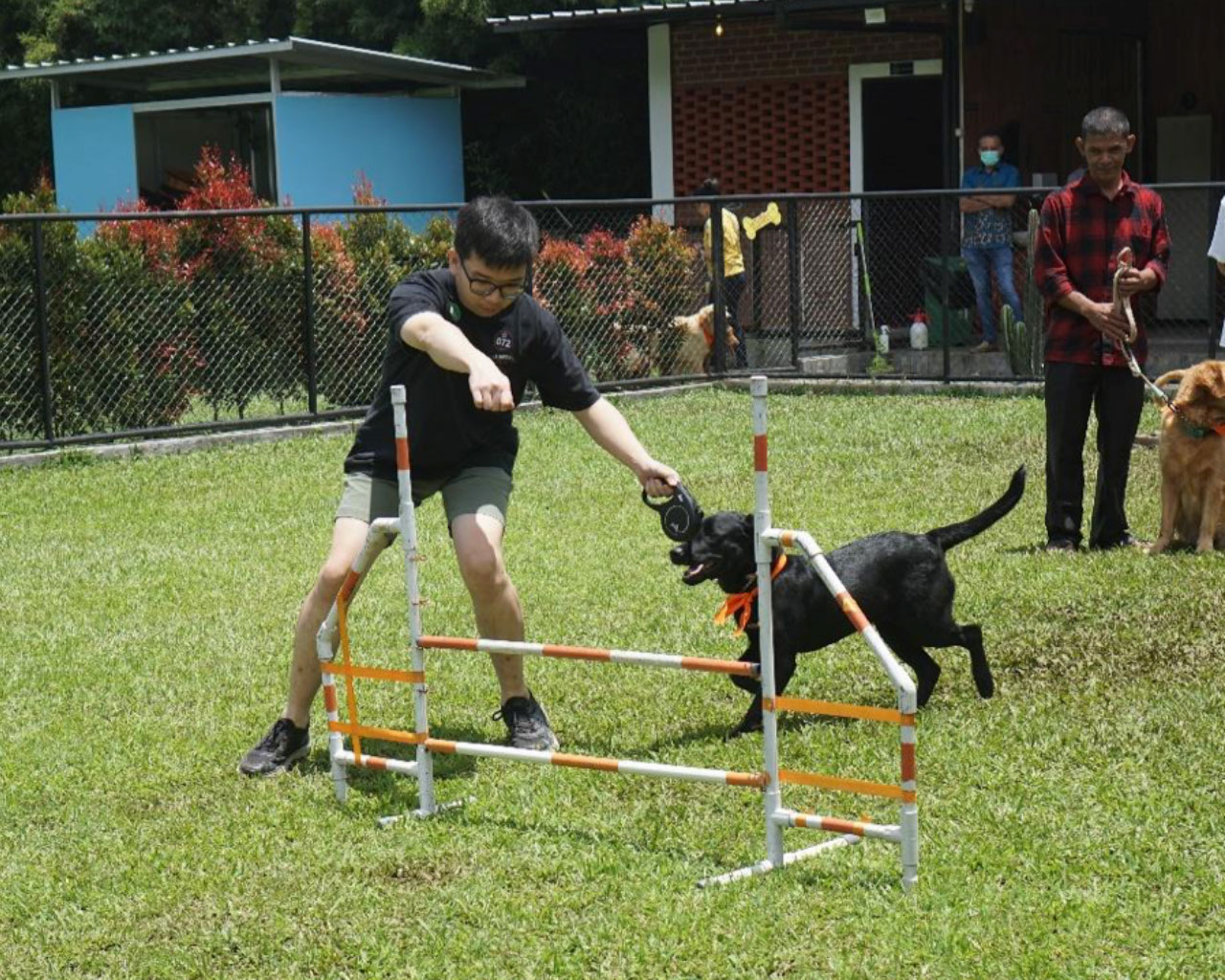
  • Nature Bridge - Beauty Pet Beauty U in Indonesia International Pet Expo 2025
Nov 21, 2025
0 seconds read

Nature Bridge - Beauty Pet Beauty U in Indonesia International Pet Expo 2025

Nature Bridge - Beauty Pet Beauty U in Indonesia International Pet Expo 2025

FaLang translation system by Faboba

Relate Articles

  • Pet Tips | The Basics of Skin & Coat Care for Dogs and Cats

    A glossy coat and healthy skin aren’t just about looking good — they’re signs of a pet that’s thriving inside and out. Whether you have a fluffy Persian or a sleek Doberman, regular care is essential to prevent dryness, irritation, and skin-related diseases.   The health of your dog or cat’s skin and coat is influenced by multiple factors: diet, grooming habits, environment, and even allergies. Omega-3 and Omega-6 fatty acids, often found in quality pet food or supplements, play a huge role in keeping fur soft and skin moisturized. Poor nutrition, on the other hand, often leads to dull coats and flaky skin.   Routine grooming helps remove dead hair, distributes natural oils, and allows you to catch early signs of skin problems like hot spots, rashes, or parasites. Dogs generally need baths every 2–4 weeks depending on breed and activity level, while cats (especially long-haired ones) benefit from brushing several times a week — even if they groom themselves.   If you notice excessive itching, redness, bald patches, or a greasy, smelly coat, don’t ignore it. These could be signs of allergies, fungal infections, or underlying conditions that need veterinary attention. Early action prevents discomfort and costly treatments later on.   Tips for Healthier Skin & Coat: Feed a high-quality diet rich in Omega-3s (e.g., fish oil). Brush regularly based on coat type — short hair needs less, long hair needs more. Use pet-safe shampoos (avoid human products). Add a humidifier during dry seasons to reduce skin flakiness. Keep up with flea and tick prevention year-round.   Conclusion: Beauty Starts with Health A silky coat and itch-free skin are more than just aesthetic — they’re indicators of a happy, healthy pet. With consistent care, proper nutrition, and a watchful eye, your furry friend can shine from the inside out.   That's why NatureBridge provides daily food specifically for healthy skin and coat. This dry food is enriched with herbs, antioxidants, and animal protein that won't cause allergies in your pet's skin. Available in NatureBridge Classic Beauty Cat and NatureBridge Beauty & Skin Dog. Help maintain your pet's healthy skin and coat. Get NatureBridge at the official Nature Bridge Indonesia store or the official CPPETINDO store.

    Shiny Coats & Healthy Skin: The Basics of Skin & Coat Care for Dogs and Cats

    more

    Sep 15, 2025 3 minutes read
  • Some people gravitate toward big dogs. They love Mastiffs who think they’re lap dogs or Bernese Mountain Dogs that make everything around them seem small by comparison. The list of big breeds goes on and on—from slender Afghan hounds to clumsy Great Danes, slobbery St. Bernards to fluffy Cuvacs. These breeds are all unique and different in their own way, but all have size in common. Unfortunately, with size comes the potential for certain illnesses and health conditions. Bigger dogs are more prone to specific ailments that their smaller cousins might not experience. It’s important for big dog lovers to understand this and to be aware of the conditions that may pose a threat for their oversized companions. Here’s a look at eight ailments that commonly affect large-breed dogs—what they are and what they mean for the health and wellbeing of your pet. 1. Dysplasia Dysplasia can occur in the hips, elbows or both. It’s a condition that arises when the hip or elbow joint doesn’t fit properly into the socket and deviates, causing everything from pain during walking to lameness. While German Shepherds are the breed most commonly associated with dysplasia, many larger breeds suffer a proneness to developing it. Mastiffs, Great Danes, and Great Pyrenees all have a higher-than-average risk of suffering from hip or elbow dysplasia. Many times, surgery can alleviate the pain associated with the condition. 2. Panosteitis Because they grow quickly and to such great sizes, many large-breed dogs suffer from Panosteitis (Pano) during their maturation. This condition affects the legs and can cause everything from temporary lameness to pain. It’s a condition defined by bone inflammation and often goes away by itself in time. That doesn’t make it any less painful for your pup, though! Pano is similar to growing pains in humans, which means your pup can benefit from gentle massage and rest. 3. Dilated Cardiomyopathy Dilated Cardiomyopathy is a condition affecting the hearts of larger dogs—specifically the different chambers of the heart. Dilated Cardiomyopathy causes the heart to literally swell, which stretches the aortic walls too thin. This, combined with inflammation of heart tissue, makes Dilated Cardiomyopathy a dangerous condition for bigger pups. Unfortunately, it’s also a lifelong condition, but it can be managed with medication. 4. Aortic Stenosis As something of an opposite to Dilated Cardiomyopathy, Aortic Stenosis involves the narrowing of aortic valves, which decreases blood flow. Many times, dogs can seem perfectly normal until the aortic valve becomes too restricted, and they collapse due to lack of blood flow. It’s a condition primarily affecting bigger dogs and is hereditary, which makes it easier to identify if you have a consistent lineage. This condition can be managed if discovered early. 5. Spondylolisthesis Bigger dogs have bigger physiology, which can cause spinal issues to form. Spondylolisthesis is one of them. Often called “wobblers” because of the way a dog sways back and forth, spondylolisthesis is an abnormal curvature of the spine. Unfortunately, the disease is progressive and will degenerate your dog’s quality of life without proper management. Medication can be effective in some cases; however, surgery is often recommended. Even then, there’s no stopping spondylolisthesis—only delaying its effects. 6. Cherry eye Cherry eye is one of those conditions that doesn’t necessarily affect bigger dogs—rather, the specific breeds prone to cherry eye are larger breeds. While it’s most associated with Mastiffs, other “droopy” dogs are prone to developing cherry eye. This condition sees the dog’s third eyelid protrude from the eye, causing a painful mass that can make it difficult for them to see. Left unchecked, it’ll become more and more inflamed and red—thus the name, “cherry eye.” It’s correctable with surgery. 7. Arthritis The bigger the body, the more gravity takes its toll. As a result, bigger dogs are more prone to developing arthritis in their joints, including the knees and elbows. Arthritis tends to set in during the latter half of a dog’s years, so it’s important to start watching out for signs after your big breed turns 5 or 6 years old. If they seem to have trouble getting up from a laying position or are reluctant to use stairs, it might be time to chat with your vet about potential arthritis management strategies. 8. ACL tears Big dogs are known for their powerful muscles and strength. Unfortunately, they don’t always have the strongest ligaments to support them. As a result, larger breeds commonly face ligament tears and strains—especially ACL tears. All it takes is one sharp turn at a high-speed gallop to cause a tear or strain that might leave your poor pup limping. You can help them avoid ACL tears by exercising them regularly and keeping them within healthy weight parameters. Big breeds need extra love! Every breed has their own unique health concerns to worry about—big dogs especially. Understanding some of the potential afflictions your big pup might be up against can help you protect them and make sure they get the care they need. Consult with your vet about any of these conditions and how to manage them if your big breed is diagnosed with one. Source: https://petwellbeing.com/

    8 Ailments That Commonly Affect Large-Breed Dogs

    more

    Oct 10, 2024 7 minutes read
  • Not Available

    Sebagai Pawrent NBFriends pastinyakita selalu menganggap anabul kita seperti anak kita. Tentunya kita selalu ingin memenuhi kebutuhan anabul kita dan menjaga anabul kita tetap sehat. Namun tidak dapat dipungkiri, layaknya manusia, hewan peliharaan kita juga bisa sakit karena banyak hal. Beberapa diantaranya karena faktor cuaca, faktor alergi turunan, maupun karena sistem imun yang sedang turun. Itu mengapa kita sebagai Pawrent harus lebih sadar akan penyakit-penyakit yang umum terjadi pada anabul. Berikut di antararanya : Penyakit pada kucing 1. Infeksi Saluran Pernapasan Atas (ISPA) Kucing rentan terhadap infeksi virus dan bakteri yang dapat menyebabkan gejala seperti bersin, hidung berair, dan batuk. Pembersihan rutin dan vaksinasi dapat membantu mencegah ISPA. Perawatan simptomatik seperti memberikan cairan dan makanan lembut dapat membantu pemulihan. 2. Penyakit Gigi dan Gusi Penyakit gigi dan gusi umum pada kucing, terutama jika tidak diberikan perawatan gigi yang memadai. Pembersihan gigi secara rutin oleh dokter hewan dan memberikan makanan yang membantu membersihkan gigi dapat membantu mencegah penyakit ini. 3. Penyakit Ginjal Penyakit ginjal umum pada kucing yang lebih tua. Gejalanya termasuk muntah, diare, kehilangan nafsu makan, dan peningkatan konsumsi air. Diet khusus yang rendah protein dan tinggi air, serta pengelolaan cairan yang cermat, dapat membantu mengelola penyakit ginjal pada kucing. Penyakit pada Anjing 1. Demam Berdarah (Ehrlichiosis) Penyakit yang disebabkan oleh gigitan kutu yang terinfeksi bakteri Ehrlichia. Gejalanya termasuk demam, kehilangan nafsu makan, kelemahan, dan pembengkakan limpa. Pencegahan dengan memberikan perlindungan terhadap kutu dan pengobatan dengan antibiotik diperlukan untuk mengatasi penyakit ini. 2. ⁠Obesitas Anjing yang menderita obesitas rentan terhadap berbagai penyakit termasuk diabetes, penyakit jantung, dan masalah sendi. Pengelolaan berat badan melalui diet seimbang dan olahraga teratur penting untuk mencegah dan mengobati obesitas pada anjing. 3. Alergi Kulit Anjing dapat mengalami reaksi alergi terhadap makanan, serbuk sari, atau kutu. Gejala termasuk gatal, kemerahan, dan iritasi kulit. Identifikasi dan menghindari alergen serta penggunaan obat antihistamin atau steroid dapat membantu mengendalikan gejala. Tentu saja penyakit-penyakit di atas dapat di sembuhkan dengan penanganan yang tepat dari dokter hewan. Tidak hanya itu, kita sebagai Pawrent juga perlu menjaga pola hidup sehat anabul kita dan memberikan pakan yang bergizi baik bagi anabul. Salah satunya dengan mengonsumsi pakan dari NatureBridge. Selain kandungannya yang kaya akan protein hewani yang baik, formulasinya yang telah gluten free atau bebas dari tepung, lebih ramah pada pencernaan sensitif anabul. Namun jika Kamu bisa mendapatkan pakan NatureBridge for Daily Food di official e-commerce CP Petindo serta varian Veterinary Exclusive di klinik hewan di seluruh Indonesia. Dapatkan juga informasi seputar anabul di sosial media @naturebirdgeid!

    Penyakit Umum pada Kucing dan Anjing: Kenali Gejalanya dan Cara Mengatasi

    more

    Sep 08, 2024 3 minutes read
Prev
Next

logo nb

Stay in touch and keep up to date with the latest news.

instagram tiktok youTube

Useful links

  • About Us
  • FAQ
  • Testimony
  • Pet Tips
  • Contact Us
  • Terms & Conditions

Get updates and stay connected

footer-2 footer-1
  • Privacy policy
  • PT Sumber Hidup Satwa
Copyright © 2025 Nature Bridge Indonesia